causes and effects korean war Korean war causes effects
The Korean War, which lasted from 1950 to 1953, was one of the most significant conflicts of the 20th century. It involved not just North and South Korea, but also several other countries, including China, Russia, and the United States. The causes of the war were complex and multifaceted, involving not just political and military factors, but also economic and ideological ones. The effects of the war were profound and far-reaching, reshaping not just the Korean Peninsula, but also the global balance of power.
Korean War: Causes
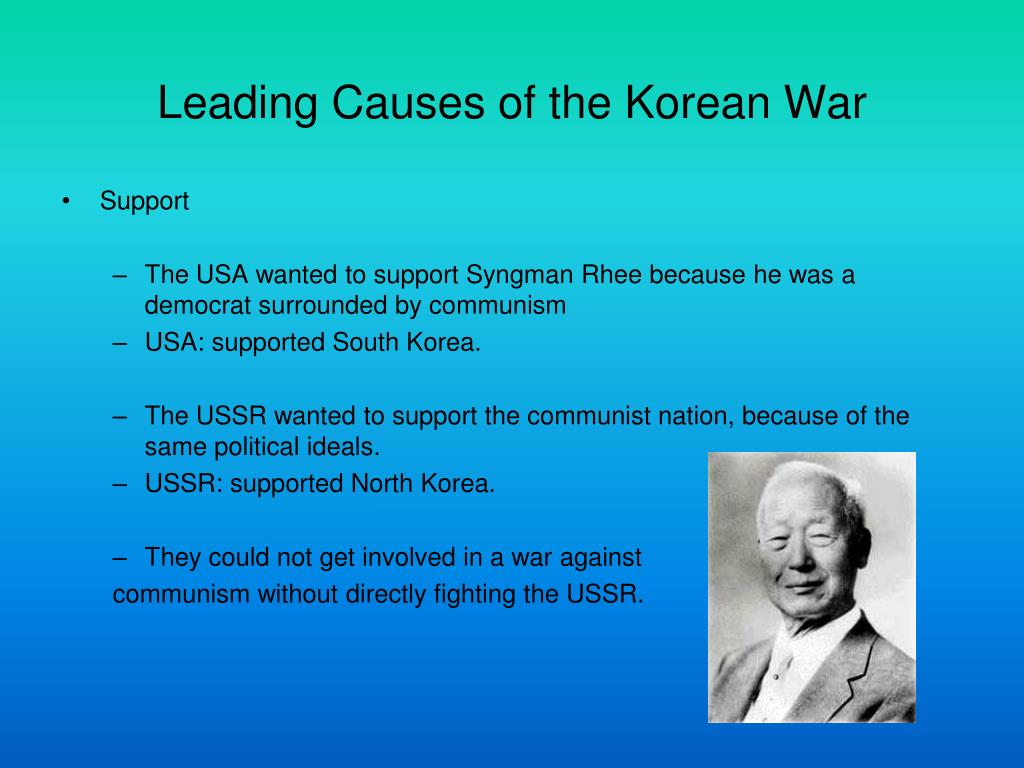
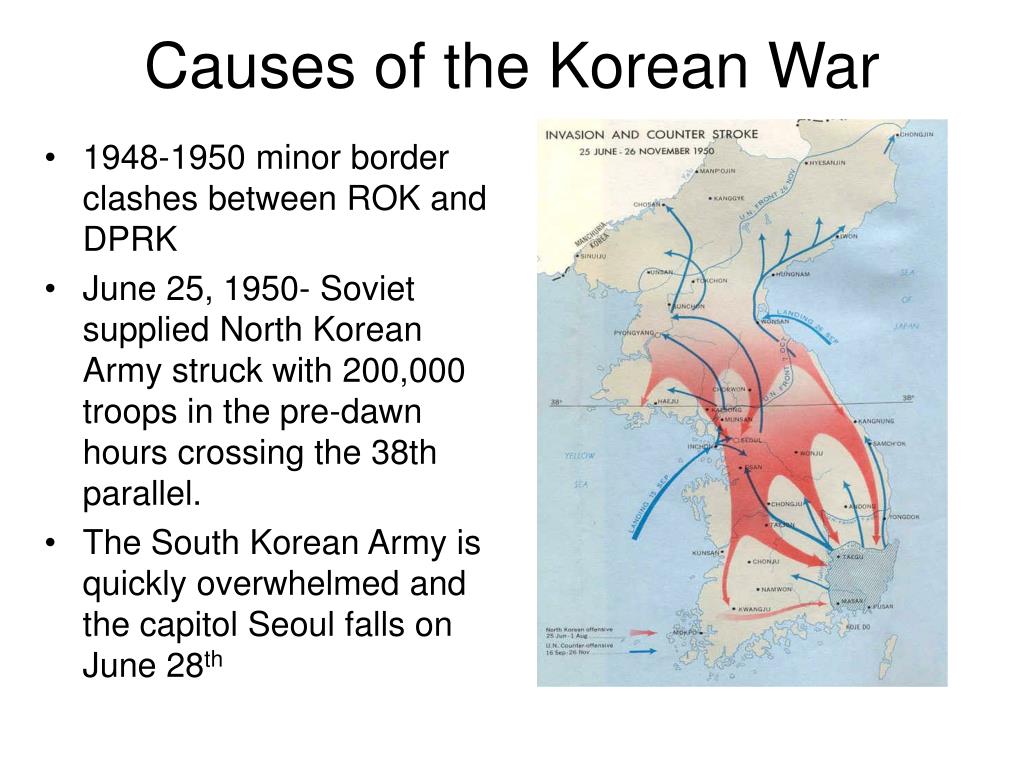
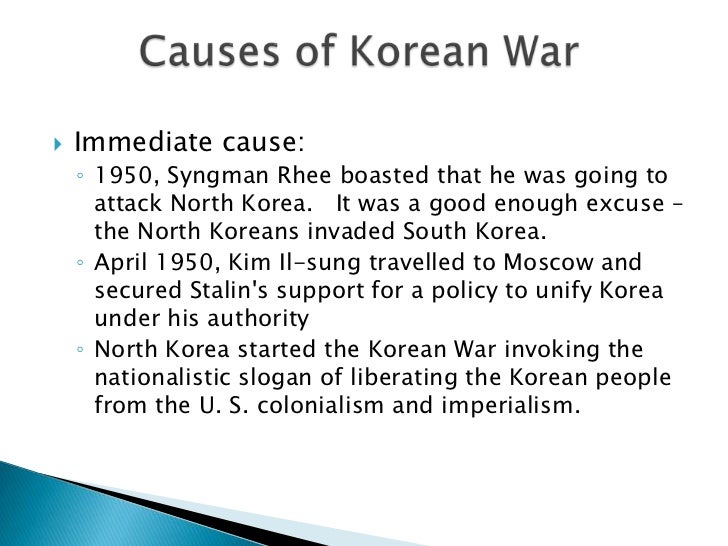
The Korean War had several causes, some of which date back to before the country’s division into North and South in 1945. One of the key factors was the Cold War, which had emerged in the wake of World War II and pitted the Soviet Union and its allies against the United States and its allies. Korea became one of the flashpoints in this global conflict, with the Soviet-backed North Korean regime seeking to unify the peninsula under its rule, and the United States and its allies supporting the democratic, pro-Western government in the South.
Another cause of the Korean War was the deepening ideological divide between North and South Korea. The North was a communist state, with close ties to the Soviet Union and China, while the South was a capitalist democracy, aligned with the United States. This ideological chasm fueled hostility and suspicion between the two Koreas, leading to a series of border skirmishes and other provocations in the years leading up to 1950.
The Korean War also had economic causes, with both North and South Korea seeking to modernize their economies and improve the lives of their citizens. The North pursued a policy of collectivization and industrialization, while the South pursued a strategy of export-oriented growth. Both approaches had advantages and disadvantages, and both sides saw the other as a threat to their economic interests.
Korean War: Effects
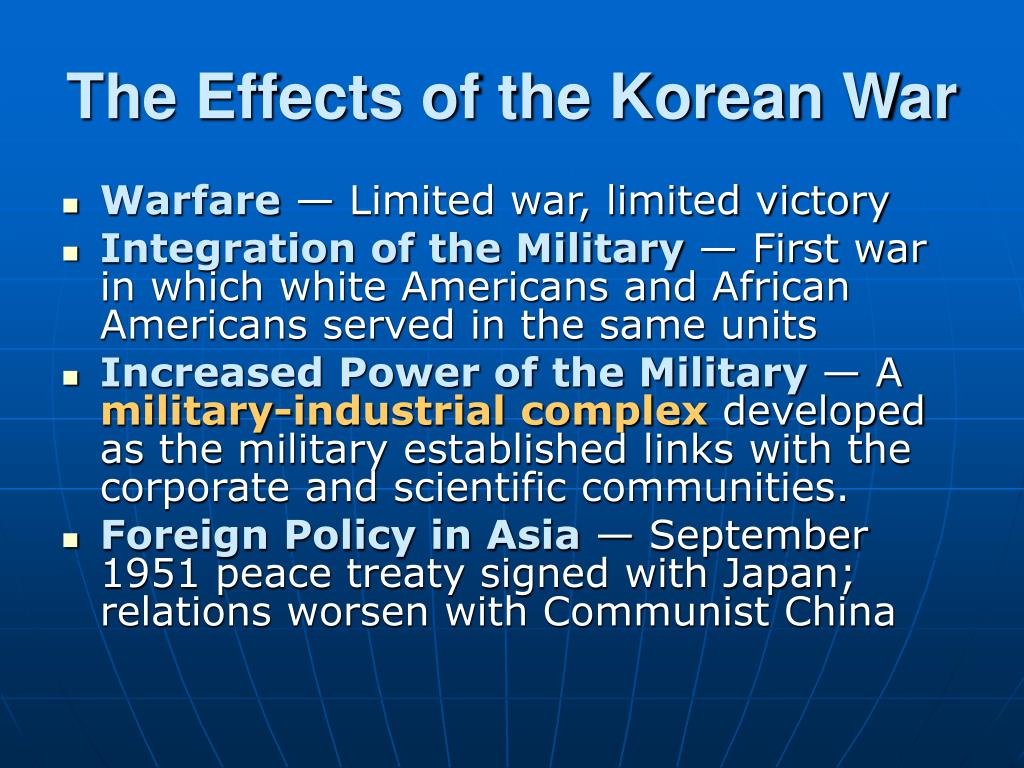
The Korean War had far-reaching effects, both for Korea itself and for the broader global order. One of the most immediate effects was the devastation wrought by the conflict, which killed more than two million people and left countless others homeless and destitute. The war also created a deep sense of trauma and division within the Korean people, which persists to this day.
Another effect of the Korean War was the reshaping of global geopolitics. The war solidified the division between the communist and capitalist spheres of influence, and helped to deepen the rivalry between the United States and the Soviet Union. It also marked a turning point in the Cold War, with both sides becoming more cautious and restrained in their actions, for fear of triggering a wider conflict.
Finally, the Korean War had an impact on the way wars are fought. It was one of the first conflicts in which airpower played a decisive role, with both sides using planes to bomb and strafe enemy positions. It was also one of the first conflicts in which the principle of “limited war” was employed, with both sides seeking to avoid a wider conflagration and focusing instead on achieving specific objectives.
Conclusion
The Korean War remains a fascinating and complex subject, one that continues to generate debate and discussion among historians and policymakers. Its causes and effects are numerous and interrelated, reflecting the complex and multifaceted nature of modern warfare. By taking a closer look at this important conflict, we can gain a deeper understanding of the past, and perhaps even learn lessons that can help us to avoid similar conflicts in the future.
 One aspect of the Korean War that is often overlooked is the way it affected the lives of ordinary people on both sides of the conflict. By focusing on the political and military dimensions of the war, we can sometimes lose sight of the human cost of violence and division. This is why it is important to remember the stories of those who lived through the war, and to strive for peace and reconciliation in all our dealings with others.
 As we move forward into the 21st century, it is essential that we learn from the lessons of the past. The Korean War showed us the dangers of unchecked nationalism, the importance of diplomacy and compromise, and the need to prioritize human life over political ideology. By keeping these lessons in mind, we can work together to build a more peaceful and just world for all.
If you are searching about PPT - a powerpoint tutorial by Mr. Cotey’s American History class you’ve visit to the right place. We have 5 Pictures about PPT - a powerpoint tutorial by Mr. Cotey’s American History class like PPT - a powerpoint tutorial by Mr. Cotey’s American History class, Cause and effect of Korean war and also PPT - The Korean Conflict PowerPoint Presentation, free download - ID. Read more:
PPT - A Powerpoint Tutorial By Mr. Cotey’s American History Class
 www.slideserve.comkorean causes war leading history powerpoint tutorial mr class american cold korea because cotey ppt presentation
PPT - The Korean War (1950-1953) PowerPoint Presentation, Free Download
www.slideserve.comwar korean effects 1953 1950 slideserve ppt powerpoint presentation
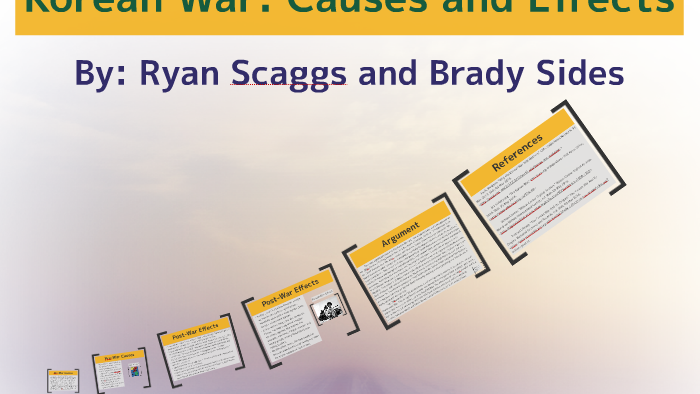
Korean War: Causes And Effects By Ryan Scaggs
prezi.comkorean war causes effects
PPT - The Korean Conflict PowerPoint Presentation, Free Download - ID
 www.slideserve.comCause And Effect Of Korean War
 www.slideshare.netimperialism ussr
Korean war: causes and effects by ryan scaggs. Korean war causes effects. Korean causes war leading history powerpoint tutorial mr class american cold korea because cotey ppt presentation